Coffee is not just a beverage. It’s a ritual, it’s comforting and for a lot of people, it kicks off the day. Coffee culture has developed across the globe into a blend of tradition, innovation and art. From the way beans are harvested to how they’re brewed, step after step tells a story. Follow along the path that coffee takes from its birth through the processes that give every cup distinction.
The Origins of Coffee Beans
Dating back to the birthplace of coffee in Ethiopia, legend has it that its energising effect was discovered by a goat herder. Agenjo/Agence France-Presse — Getty Images It then moved through the Middle East, into Europe and beyond. Today, you have countries such as Brazil, Colombia, Ethiopia and Vietnam as some of the biggest coffee producers.
Coffee thrives in the region known as the “coffee belt,” a band around the equator with warm temperatures, rich soil and regular rainfall. The most common types are Arabica and Robusta.
- Arabica beans are smoother, with fruity or floral notes.
- Robusta beans are stronger, with a bitter and earthy flavour
Coffee Culture Around the World
Each nation has its own take on coffee culture. Espresso in Italy is a ritual of daily life. In Turkey, coffee is chewy thick and strong, accompanied by sweet. Indian homes also love their filter coffee hecho en casa! In this country, coffee shops have turned into social hubs where people go to be alone together, whether they’re working or relaxing.
All this diversity is proof that coffee isn’t only about flavor. It mirrors lifestyle, tradition and community.
From Bean to Cup: Roasting the Beans
Coffee beans are roasted following harvesting. That process is what gives coffee its aroma and flavor. Light roasts tend to retain more of the bean’s natural flavour, and they are often brighter. Medium roasts are even and enjoyed globally. Dark roasts are strong, smoky.
Roast level is frequently what determines how coffee tastes in your cup.
Brewing Methods that Shape Flavour
The strength, texture and flavour of one’s coffee is affected by how it is brewed. Some popular methods include:
1. Espresso Machine – Uses pressure to produce very strong coffee messages.
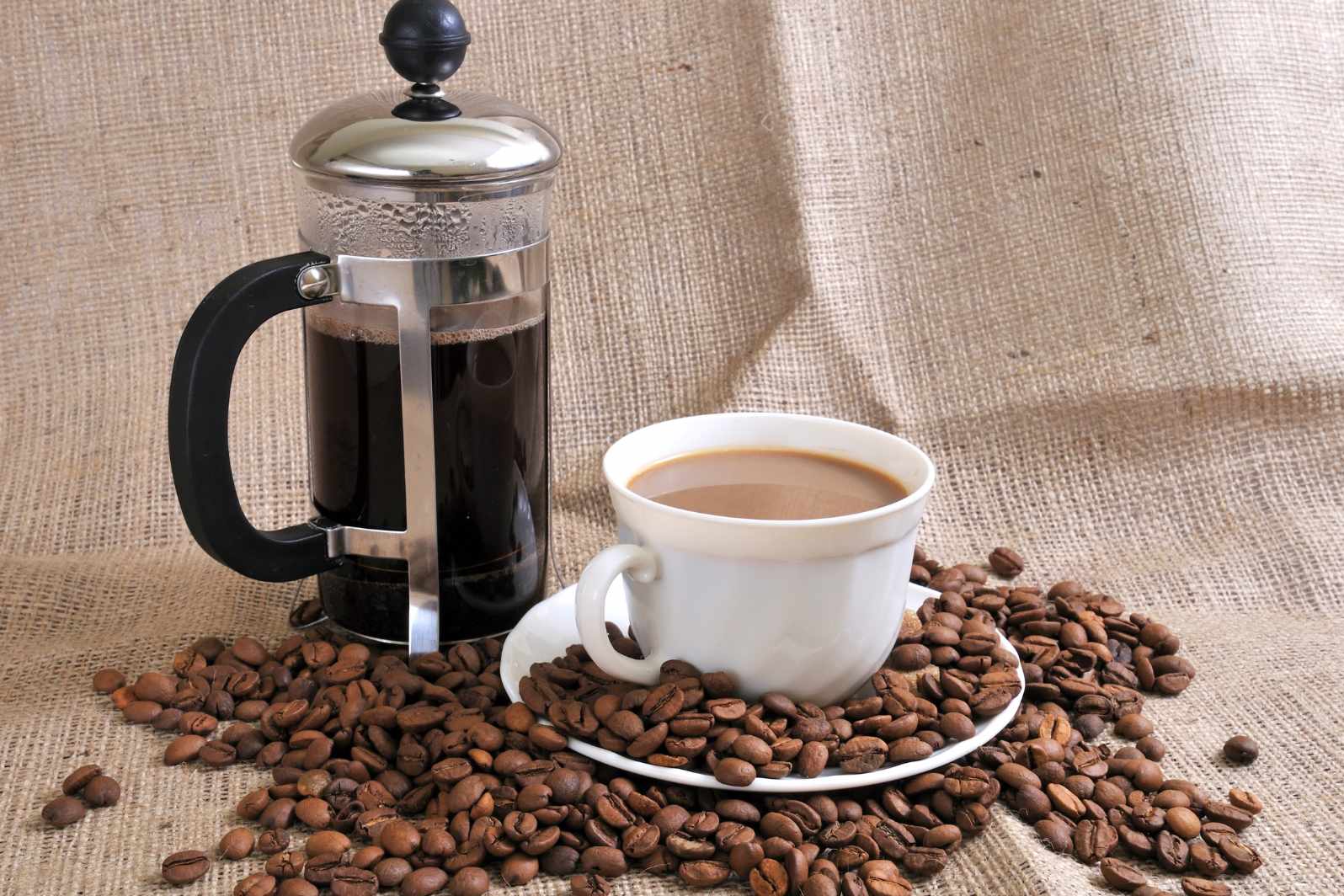
2. French Press –The grounds are steeped in hot water which provides a rich flavour.
3. Pour Over – slow brew method which favours light flavours…
4. Cold Brew – Coffee that’s been brewed with cold water over an extended period of hours and therefore is smooth has less acidic.
5. Indian Filter Coffee – coffee & chicory served with milk and sugar.
They each present a new beverage, even with the same beans.
The Rise of Specialty Coffee
Specialty coffee has been the craze in recent years. Consumers are now concerned about the source of their beans, how they are processed,and whether or not the producer is ethical. Coffee shops that do single-origin beans and special brews. This move has turned coffee into a craft, akin to wine or tea.
Why Coffee Connects People
Coffee is more than caffeine. It brings people together. Friends come together at a coffee shop, families gather in the morning around a pot of coffee, strangers become friends over a single cup of joe. It acts as an energizer and generates creativity and productivity, which is a part of both socialization as well as profession.
FAQs:
Q1. Which country consumes the most coffee?
Finland is one of the world’s top coffee drinkers.
Q2. Is Arabica better than Robusta?
Bland Arabica is more of a girlie drink, while robust Robusta packing the punch.
Q3. How should you drink coffee (healthiest way)?
The healthiest is black coffee without anything added to it.
Q4. How much coffee can you drink in a day and still be healthy?
For the majority of adults, 3 to 4 cups a day are safe, based on caffeine tolerance.
Q5. Why does coffee taste different at coffeehouses than it does at home?
The variation can be attributed to bean quality, type of roast and brewing equipment. Cafes tend to have professional machines and fresh beans.