On December 28th, at U+I’s Black Horse Mills development in London’s Walthamstow, Wilson summarized the state of EVs to attendees: Electric Vehicles (EVs) are full-fledged now. They are the future of transport in India and the world. The demand for charging stations is increasing quickly as more and more people are buying EVs. Establishing a robust EV charging infrastructure is crucial to achieve seamless, reliable and sustainable electric mobility.
Why EV Charging Infrastructure Matters ?
For an EV you own, charging is as important as fuel is for those with petrol or diesel cars. When you don’t have charging stations, people are reluctant to buy EVs. A robust charging network, after all, is what would give drivers confidence that they’d never be left stranded with a low battery out on the roads.
Better infrastructure also paves the way for quicker uptake of EVs. It reduces reliance on fossil fuels, decreases pollution and makes space for a cleaner future.
Types of EV Charging Stations
The EV charging can be broadly classified into three categories:
1. AC Level 1 and 2 Charging (Slow Charging):
This variety is seen in homes and offices. The EV takes several hours to fully charge.
2. Fast Charging (DC Charging):
Such stations can recharge an EV’s battery to 80% in under an hour. They are perfect for motorways, any other public spaces.
3. Ultra-Fast Charging:
These new chargers can cut the charging time to minutes. But they are costly and rely on cutting-edge battery technology.
Runner-Up Difficulty in Constructing EV Power Facility
- Big Bet: Charging stations are an upfront expense. It requires land, power supply and technology.
- Capacity of the Grid: A sudden spike in EV usage can be a strain on the power grid.
- Standardization Challenges: Multiple models of EVs may potentially need different connectors and charging systems.
- Location Planning: Stations should be located strategically – such as highways, malls, offices and lodgings.
India Govt’s Boost for EV Charging
The Indian government is actively promoting EV infrastructure. Policies such as FAME II (Faster Adoption and Manufacturing of Electric Vehicles) are encouraging private players to install charging points. A number of state governments are also providing subsidies and incentives to support the uptake of EVs.
Public-private partnerships are likely to be at work. Big oil companies, power suppliers, upstarts have all gotten in on the EV charging game.
The Future of EV Charging
It looks like EV charging has a very bright future through smart technology enriched by renewable energy. Some upcoming trends include:
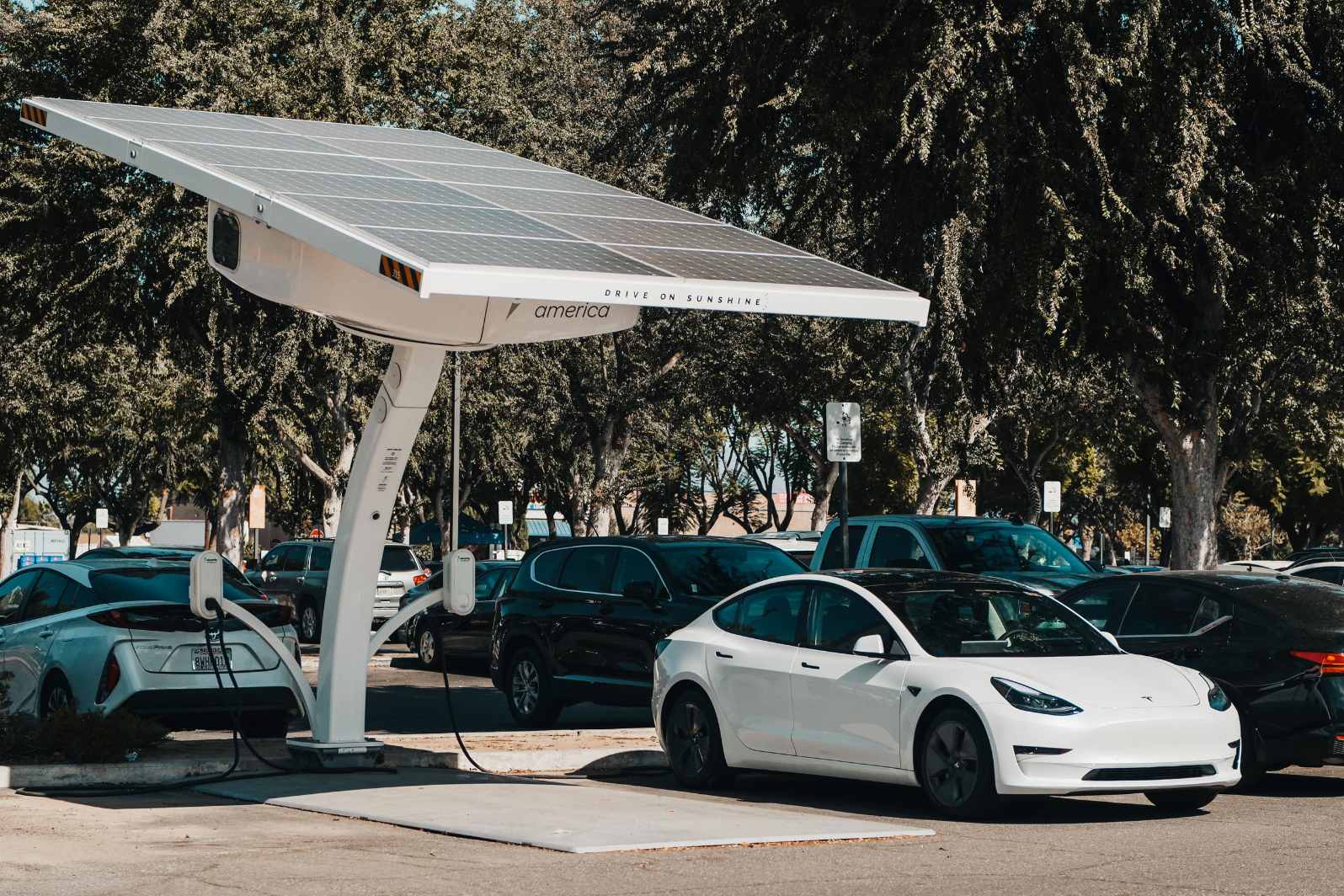
- Solar charging kiosks to minimize dependence on the grid.
- Battery swapping stations where drivers can quickly replace empty batteries with fully charged ones.
- 24/7 smart charging systems enabled with applications for slot booking, payments and monitoring the status of the charge.
- Wireless charging which would allow cars to do without plugs, parking instead on special pads.
Why Investing In EV Charging Is A Long-Term Play
When fuel costs and pollution get worse, EVs are only sustainable answer. By investing in EV charging infrastructure now, cities will be ready for the future. It also unlocks opportunities for entrepreneurs, builders and technology companies.
Conclusion
That the charging infrastructure is way, to for companies that there is nothing far more essential. Without that, growth of EVs will take a hit. India needs a lot more charging stations, in homes, offices, highways and cities. But with federal support and a flood of private capital flowing to the sector, the future for EV charging appears powerful and promising.
FAQs:
Q1: How long does it take to charge an electric vehicle?
It depends on the charger. A slow charger at home can last 6–8 hours, or a fast one less than an hour.
Q2: Can I have my own EV charging station at home?
Yes, you can. Today, most firms sell small home chargers which can be readily installed with suitable wiring.
Q3: What is the cost to install EV charging stations?
Yes, commercial charging stations are quite expensive, but government subsidies and incentives can work towards bringing down the cost.
Q4: Will India have sufficient number of EV charging station by 2030?
Thousands of charging points are being rolled out by the government and private companies. India is predicted to develop a robust EV charging ecosystem by 2030.
Q5: What is battery swapping in the realm of EVs?
Battery swapping involves exchanging the dead battery for a charged one at a station, a process that is quicker than charging.