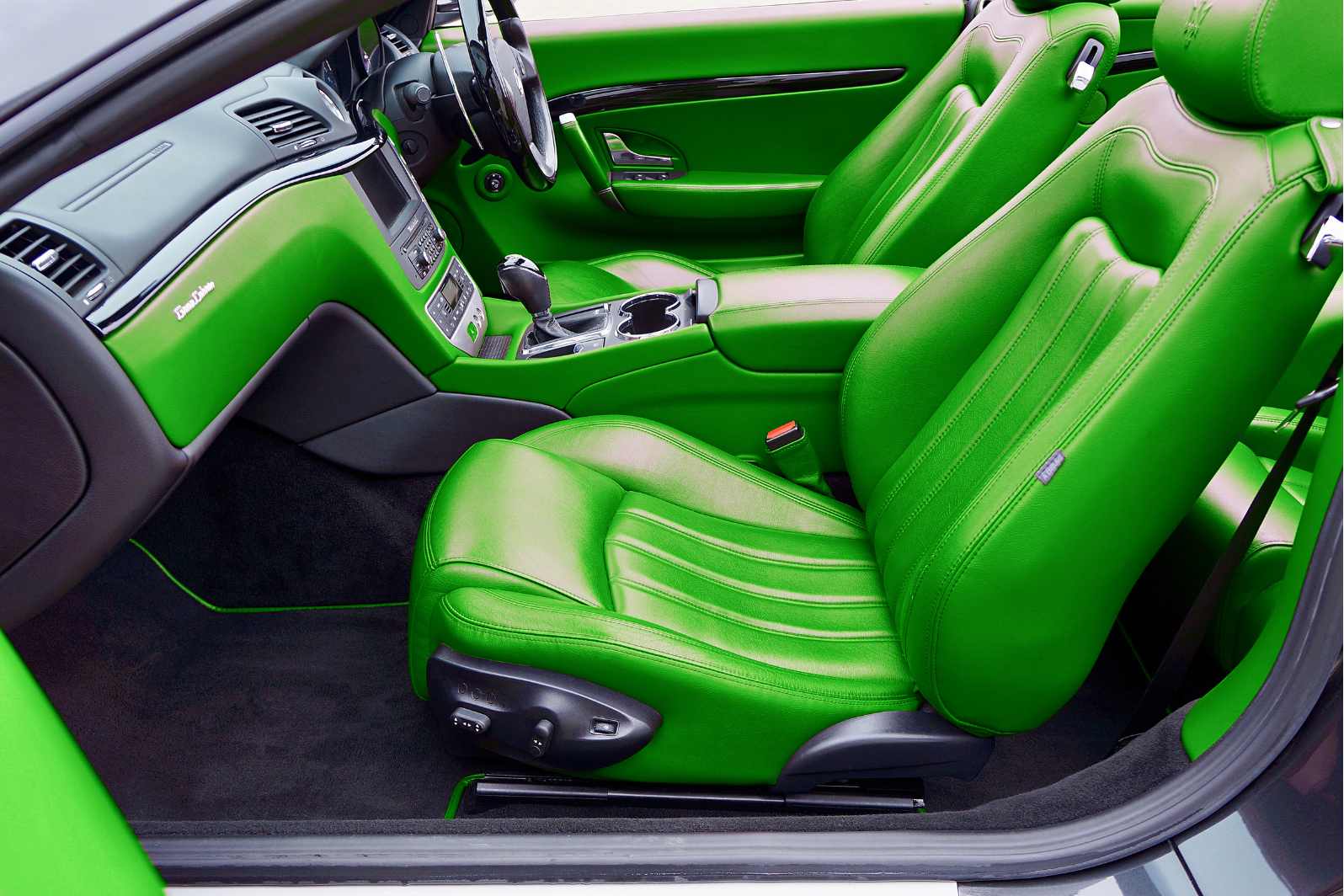
Cars don’t sell on speed and style alone anymore. Now, people also want them to be more eco-friendly. car Interiors Automakers around the world are shifting toward more sustainable materials for car interiors. These new materials not only lessen environmental impact but also provide cars with a contemporary and attractive look.
Why Sustainable Cars with Sustainable Materials Matter
Conventional car interiors are made of plastics, leather and man-made textiles. They’re also bad for the planet, since these materials are made from petroleum or animals. They are also high carbon emitters to produce. They also are difficult to recycle. This problem is solved with sustainable materials, which are also made from renewable, recycled, and/or biodegradable resources.
Plant-Based Materials
Car companies are now looking at plant-based choices. Very similar products using a blend of natural fibres (such as hemp, jute and kenaf) are already in use for seats, door panels and carpets. These materials are strong, light, and renewable. Some brands even use cork for dashboards and trims; it is hardy, and can lend a distinctive texture to the inside of your car.
Recycled Fabrics
Recycled fabrics It’s all thing leopard at the moment and what a lovely trend to be on. Used plastic bottles are now being transformed into seat covers, carpets and interior linings. This process lessens plastic waste and upcycles non-biodegradable materials. Plenty of luxury and electric car manufacturers are putting recycled polyester and nylon in their interior cabins.
Eco-Friendly Leather Alternatives
Luxury has always originated from leather seats. But real leather has a large environmental cost. It is related to animal farming waste, water waste and damaging chemicals. In its place, automakers are inserting alternatives like vegan leather. This can be produced from pineapple leaves, cactus or apple waste. These alternatives both look and feel like leather, but are infinitely more sustainable.
Bamboo and Wood Accents
Bamboo is another sustainable option for car interiors. It grows quickly and requires no chemicals to flourish. Bamboo’s been used by carmakers for trims, steering wheels and decorative panels. And responsibly sourced wood is the eco-luxe touch to an interior.
Benefits of Green Car Interiors
1. Decreased carbon footprint – Sustainable materials and methods reduce greenhouse gasses.
2. Recyclability- At the end of a car’s life, many materials it is constructed from can be reprocessed or reused.
3. Light – Natural fibres are lighter, benefiting both the fuel efficiency of conventional cars and the range in electric vehicles.
4. Contemporary appeal – Green interiors are fashionable and lure customers who care about the planet.
The Future of Car Interiors
Sustainability is not a fad, it’s the future. More green inventions will be adopted by more manufacturers as the law tightens and consumer demand increases. We could see entire interiors that are completely natural, recycled and biodegradable.
Car design sustainability is an example of how technology and nature can do each other a favor. Selecting green interiors, the auto sector is going one step further for a better tomorrow.
FAQs:
Q1: What car manufacturers use sustainable materials for interiors?
Among those initiatives, brands like Tesla, BMW, Volvo and Audi are incorporating recycled plastics, plant-based fabrics and even vegan leather into their car interiors.
Q2: Are Car Interior of Eco-friendly long lasting?
Yes. Today’s renewable materials are sturdy and made to go the distance, just as traditional ones.
Q3: Is vegan leather better than leather?
Vegan leather is better for the environment. It is cruelty free, less water reliant and ditches toxic chemicals.
Can comfortable car seats really be made from recycled plastics?
Yes. Recycled plastics are worked into soft fabrics that touch like any typical cloth or polyester.
Q5: What does the future hold for sustainable car interiors?
More about the future can be read here, including plant-based, recycled and biodegradable materials. Interiors will become more sustainable – all without sacrificing the comfort and beauty of design.