The home-cooking life isn’t only about taste. It’s also about thinking twice about how we are eating our food. Often, we’ll do something like chuck out vegetable peels and fruit skins wholesale or toss any old grains without a thought. This results in wastage that damages the environment and pushes up household energy bills. Low-waste cooking is an easy way to combat this issue. By making a few small changes in the kitchen, we can save food, money and the planet.
What is Low-Waste Cooking?
Low-waste cooking is about being mindful with your ingredients and minimizing what goes into the dustbin. It promotes the use of every part of fruits, vegetables and grains. It also means storing food correctly, planning meals in advance and getting thrifty with leftovers.
Simple Practices for Low-Waste Cooking
1. Plan Your Meals
Before you go to the market, plan out meals for the week. Buy only what you need. That way you don’t waste additional fruits or vegetables.
2. Store Food Properly
Store cereals, spices and pulses in air-tight containers. Use cloth bags for leafy greens so that they last longer. Store cut fruits and veggies in glass jars in the refrigerator.
3. Cook with the Whole Ingredient
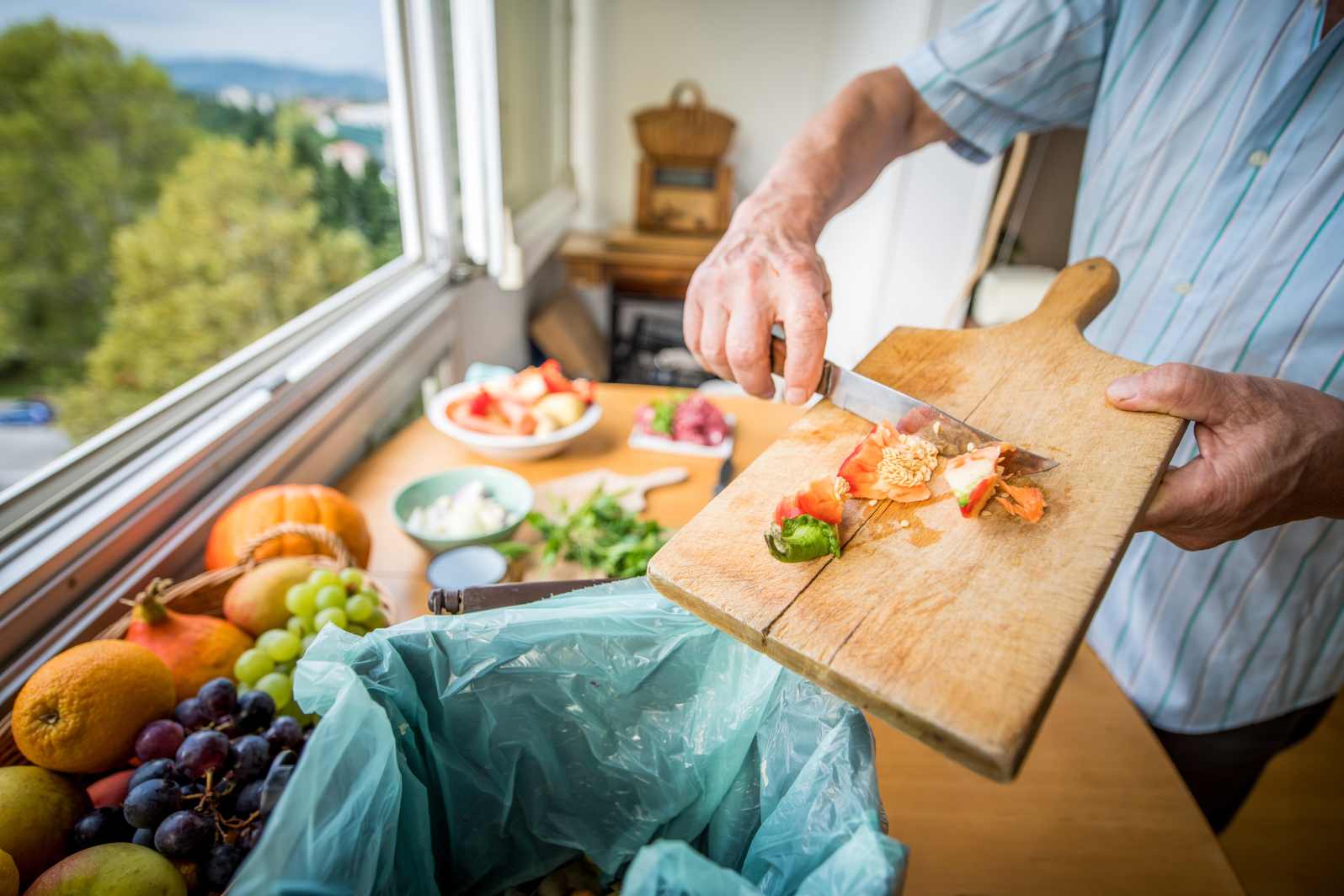
Dont throw peels of potatoes, carrot or bottle gourd. The fact is that you can use them in soups, chutneys or parathas Sometimes. Cakes and teas can be flavoured with peels of fruits like orange or lemon.
4. Reuse Leftovers
Take yesterday’s rice and turn it into fried rice, or curd rice. Supercharge leftover dal as a filling for a delicious paratha. Yielding hard bread can always be crumbed or used to prepare upma.
5. Compost Kitchen Scraps
If you are unable to reuse some of your food scraps, then compost them. This process turns waste into natural fertiliser for plants.
6. Choose Local and Seasonal Food
Seasonal vegetables and fruits help reduce packaging waste. Local produce is fresher and has a lower carbon footprint.
7. Reduce Single-Use Plastic
Take your own cloth bags, glass jars and steel containers when you go grocery shopping. Plastic waste is less from packaging.
Benefits of Low-Waste Cooking
- Save Cost by Maximizing on Food fully
- Reduces household waste
- Supports a cleaner environment
- Encourages creativity in cooking
- Provides healthier, chemical-free meals
Creative Recipe Ideas
- Vegetable Peel Soup: Combine the peels of carrot, bottle gourd, pumpkin with spices.
- Citrus Zest Cake: Mandolin orange or lemon peels into your cake batter.
- Rice Cutlets: Make leftover rice into cutlets by mixing it with boiled potatoes and spices. Make them into cutlets and shallow fry.
- Coriander Stalks Chutney: Mix stems with garlic, green chili and lemon juice.
FAQs:
Q1: So we can actually eat and digest food scraps?
Yes. A lot of peels and stems are packed with good fiber and nutrients. Just be sure to give them a good scrub first.
Q2: What if food still goes bad?
You can compost spoiled food. That means it is turned into fertiliser rather than waste.
Q3: How can I start low-waste cooking at home?
Begin small. Plan meals, store food properly and try this recipe that incorporates peels or leftovers. Slowly, it becomes a habit.
Q4: Does cooking low-waste take longer?
Not always. It only requires a bit of planning. It takes getting used to but eventually becomes part of your everyday routine.
Q5: Is this also Sangha for children?
Yes. Get children involved by showing them how to cook easy meals with leftovers. It teaches them to be sustainable from an early age