Once the idea of cars that drive themselves seemed like a scene from a sci-fi film. Driverless cars (also known as autonomous vehicles) are no longer a pipe dream today. Not only are big companies like Tesla and Google’s Waymo, but even Indian automakers are testing self-driving technology. Yet the central question remains: how close are we to full autonomy?
Understanding Levels of Autonomy
Driverless car technology is divided into six stages, according to experts:
- Level 0: No automation. The driver controls everything.
- Level 1: Single functions of driver assistance, like cruise control.
- Level 2: Partial automation with lane keeping and adaptive cruise. Tesla vehicles are in this level.
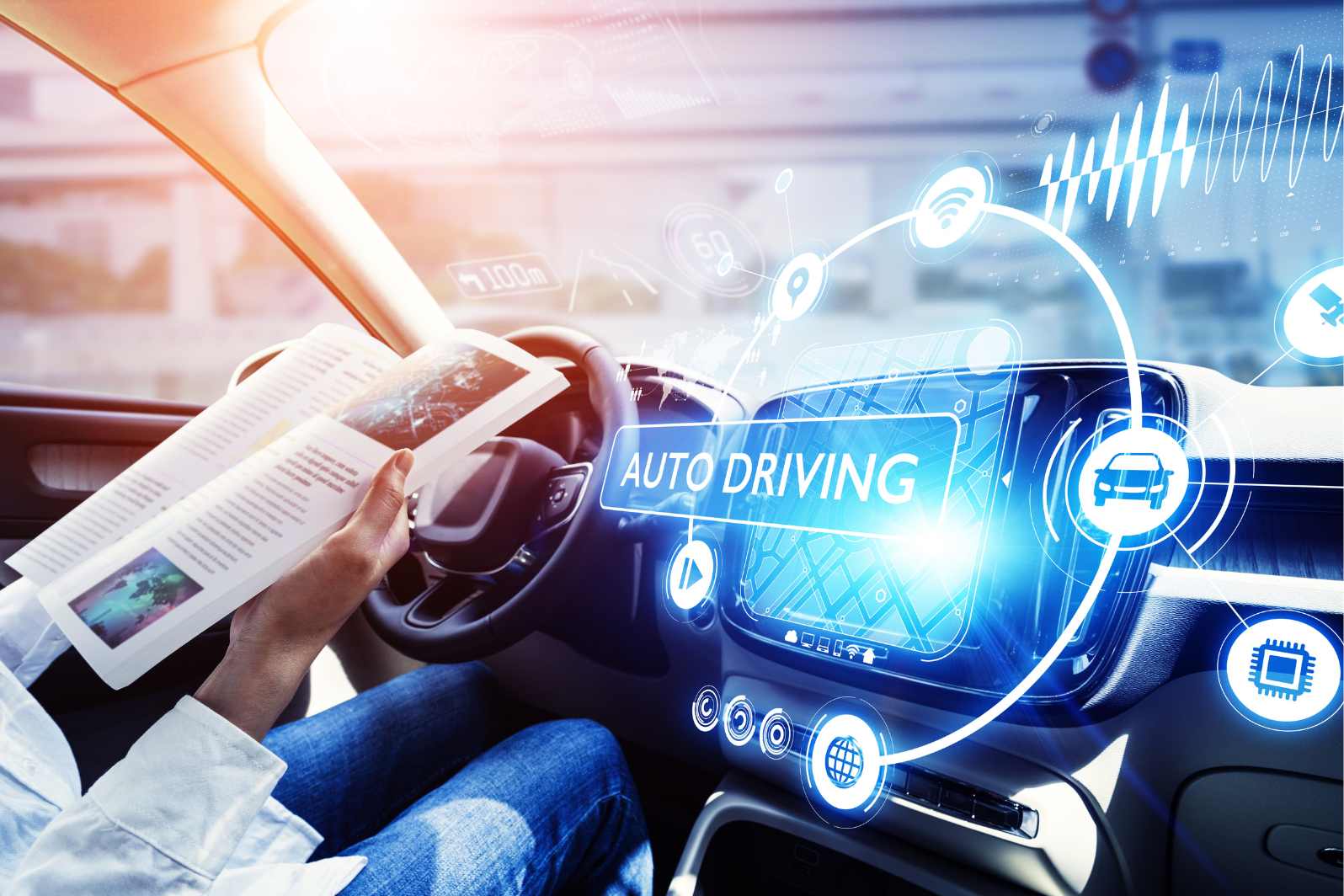
- Level 3: Conditional automation. The car can handle the driving on some conditions, but you would have to take over when it needs.
- Level 4: High automation. The car does not need a human’s help; it can drive itself, in most scenarios.
- Level 5: Full automation. The steering wheel is not required at any time.
At present, the majority of cars on the road are only at Level 2 or Level 3. Full Level 5 cars remain in the testing phase.
Where We Are Today
In the United States and Europe, Waymo and Cruise already offer driverless taxis in certain cities. These vehicles employ sensors, cameras and artificial intelligence to operate without drivers. In India, however, the technology is at an early stage. Congestion, road quality, and insufficient infrastructure are huge problems.
Benefits of Driverless Cars
1. Safety: The bulk of accidents occur through human error. Self-driving cars can help mitigate these risks.
2. Ease: Passengers can just sit back, work or whatever instead of driving.
3. Improved Traffic Flow: Automobiles that can communicate with one another will help eliminate traffic jams.
4. Accessibility: This will allow elderly and disabled to travel easily.
Challenges Ahead
While the accomplishments are thrilling, there are still some challenges:
- Technology: AI remains no match for unpredictable road conditions.
- Infrastructure: Potholed roads, vague lane markings, and a mix of slow-moving buffalo and fast-moving traffic in India complicate automation.
- Regulations: Governments must have guidelines in place for testing and adopting driverless cars.
- Cost: You still can’t afford a self-driving car If you are the average doubter and don’t need a new vehicle, show me to where I can afford one.
When Will Autonomy Be Fully Realized?
According to experts it may take another 10–15 years for truly Level 5 cars to become widespread. A few wealthy nations may get them before that. In India, it might be a little longer due to poor traffic conditions and road quality and also un-organised legal regulations.
Still, the journey has begun. Gradually, such benefits of modern cars as automatic braking systems, lane assist and parking assist are already assisting drivers. That will help take us a step closer to the future of autonomous vehicles.
Conclusion
Driverless cars are within sight, but they won’t arrive overnight full autonomy will require plenty more testing and tinkering. The tech is advancing rapidly, but safety, regulations and infrastructure need to catch up first. For now, we can bask in the glow of semi-autonomous features as we wait for the day when we don’t even have to touch that wheel and the car drags us anywhere.
FAQs:
Q1. What is the highest level autonomous car currently?
Today’s most advanced cars are Level 2 or Level 3. Fully driverless cars (Level 5) have not yet been deployed for public use.
Q2. Are driverless cars safe?
Yes, they are often safer than human drivers but they still struggle in complex traffic.
Q3. Will India see driverless cars soon?
India may be a bit longer thanks to the conditions of roads and traffic, but features like auto braking and smart cruise control are already here!
Q4. Who’s ahead in the race to develop self-driving cars?
Leading the pack are Tesla, Waymo, Cruise — and some old-guard automakers, including Mercedes-Benz and BMW.
Q5. Can I purchase a fully driverless car right now?
No, full autonomy is still in testing. You can purchase cars that drive themselves part of the time