Food is a universal language. Humans are humans, and people all over the world congregate around meals to compare stories, observe festivities (and each other), and celebrate life. Every continent has flavours and cooking styles of its own, each reflecting particular aspects of culture and history. Travel the world without ever leaving your kitchen as you explore global cuisines. Let’s go on a tasty trek around the globe and find out what makes their cuisine so yummy.
Asian Dishes: The Flavors of Rich and Traditions
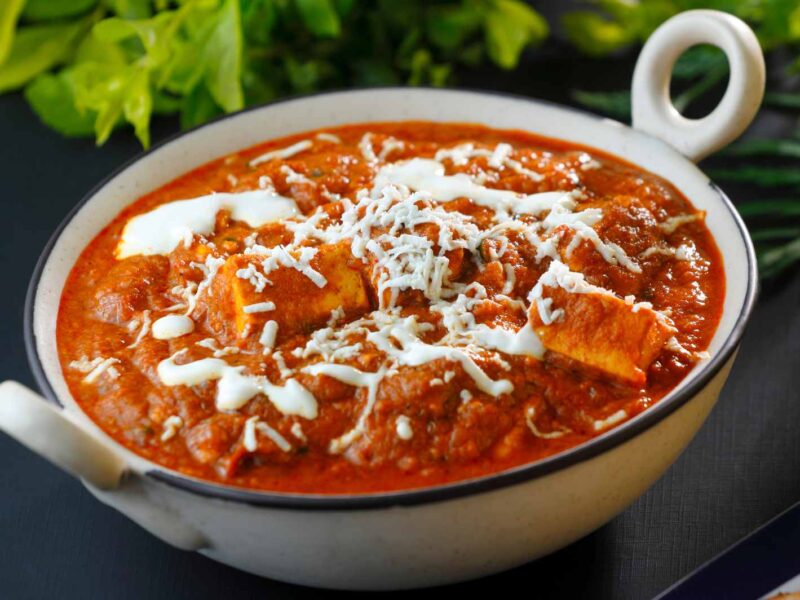
Asia is the biggest continent and its foods are as varied as its people. A taste of other countries From spicy Indian curries to sushi in Japan, every nation has its own specialty that is as distinct as it gets. Stir-fried kinds of food, such as noodles, dumplings, and also rice dishes prevail dishes the Chinese enjoy. Sweet, sour, salty and spicy tastes come together on one plate of Thai food. South Korean cuisine, such as kimchi and bibimbap, is now widespread.
Plain rice, boiled noodles and spices are key ingredients in Asian cuisine. The widespread use of soy, ginger, garlic and chilli ensures there is a delicious depth to all dishes. Not only is Asian food delicious, it also has the reputation as being healthy and lighter since there are an abundance of fresh vegetables and herbs used.
European Cuisine: Classic and Comforting
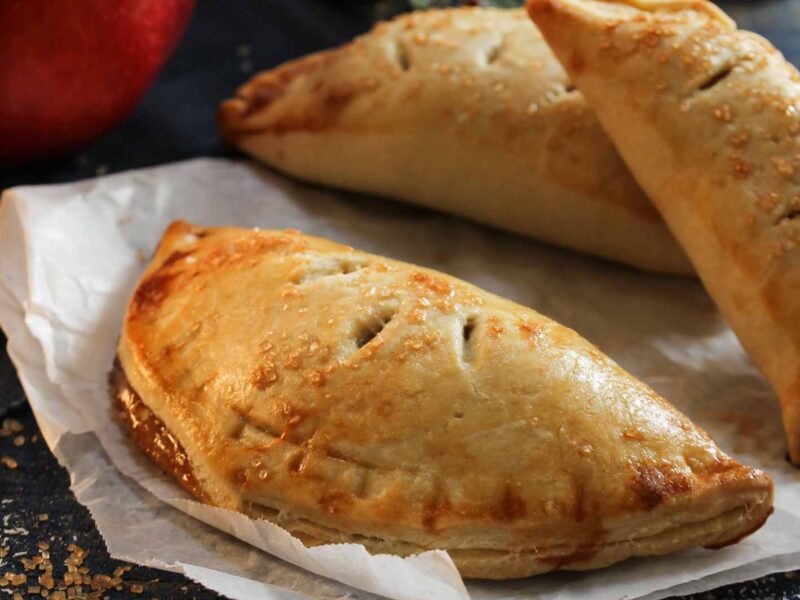
Many classic cuisines stem from Europe. Italian pasta, French pastries, Spanish paella — good stuff is embraced worldwide. The menu in Greece consists of nourishing Mediteranean food along with olive oil, cheese and fresh salads. German and Eastern European cuisines contribute hearty dishes such as sausages, dumplings and stews.
Bread, cheese and wine are commonly at the core of European food. Baking has a very strong tradition on the continent, from French baguettes to German pretzels. In a lot of European food, there are so many dishes that seem to be slowly cooked and just provide comfort and warmness for you – especially in cold places.
African Cuisine: Bold and Earthy
African cuisine is vibrant and strong flavored. Every area has its own way. In North Africa, Moroccan tagines involve spices such as cinnamon and saffron that make for rich and fragrant meals. Every party in West Africa has jollof rice as a star turn. Injera, a spongy bread that is eaten with stews, is iconic in East Africa.
African cuisine relies on grains such as millet, sorghum, and maize as well as plantains, beans and vegetables. Dishes are flavoured with spices like cumin, ginger and chilli. There is so much to love about the way people eat together in Africa: The continent’s cuisine is powerfully linked to community, with food passed around, shared from one large dish.
North American Food: Where Cultures Collide And Clump Together To Create Delicious Dishes!
North America’s food is as varied as the ancestors who emigrated here. The Unites States is known for food such as burgers, fried chicken and barbecues but it’s also got its regional specialities, including clam chowder in New England and Tex-Mex in the south. Canada is famous for poutine, which is fries with gravy and cheese curds.
Mexican cooking, also of course part of North America, is popular all over the world. Tacos, burritos and guacamole are in every home. Corn, beans and chilli are what essentially constitute Mexican cooking. North America is ahead in food innovations, and the mixing of flavours from various regions around the world.
South American Cuisine: Fresh and Vibrant
The food of South America is a feast for the eyes — full of vibrant ingredients, fresh produce and bright seasonings that are impossible to resist. Feijoada, a stew of beans and meat hails from Brazil as a national dish. If you know anything about Argentina, you’ve heard of its grilled steaks and chimichurri sauce. Peru is putting forth ceviche, a light bite of seafood cut and cured in lime.
The continent depends on a lot of corn, potatoes and tropical fruits like mangoes and papayas. Herbs such as cilantro and chillies in sauces spice up the food. Street food, too, is common — with empanadas, arepas and tamales giving tourists a bite of the local culture.
Food:Australian Food:A Fusion of Old n New
Australia has some traditional and some modern foods. Indigenous Australians, also known as Aboriginals, for example have traditional bush tucker: food sourced from the wilds like kangaroo meat, berries and yams. Modern Australian cuisine draws inspiration from European and Asian cooking.
The country has a lengthy coastline, so seafood is extremely popular. IEWM Celebrated Australian dishes such as grilled prawns, barramundi and meat pies are staples. Australia also has a large coffee culture, which made them the neighborhood for cafés and brunches.
Antarctic Cuisine: Simple and Practical
There is no original population in Antarctica, so there is no traditional cuisine either. The food here is what scientists and explorers such as this crew bring with them. With a cool climate unsuitable for farming, meals frequently consist of preserved foods, canned goods and frozen products.
But some research stations fly in chefs who cook up international dishes. In Antarctica, meals are more about burning energy and staying warm than palate-pleasing. Its freezing weather will demand soups and stews as well as hot drinks.
Bringing the World’s Cuisines Into Your Home
There’s nothing like cooking from other continents to help teach you about cultures. And you don’t have to go far to savor them. Start with simple dishes:
- Give fried rice or noodles from Asia a shot
- Bake some European bread or pasta
- Cook jollof rice from Africa
- Have tacos or burritos from North America
- South American ceviche or empanadas
- Grill seafood like Australians
- Cook up just-like-on-the-Antarctic-hikes soups
Sampling world food links us with people all around the globe. It demonstrates that each of us may have different traditions but we are all united by food.
FAQs:
Q1. Which is continent has spiciest food?
InternationalPHOTO Asia and Africa are famous for spicy meals. In India, Thailand, Nigeria use chillies and aggressive spices.
Q2. Is European food always heavy?
No. Sure, some gastro-staples like stews and sausages are dark and heavy, but foods from Mediterranean cultures — namely Italy, Greece or Spain — are lighter as well as healthier.
Q3. How can I cook global cuisines at home without too much fuss?
Yes. Many recipes are easy, and all ingredients now in stores. Start with simple recipes, not complicated ones.
Q4. Which is the healthiest food in the WORLD?
One of the healthiest diets, the Mediterranean diet — which includes fresh vegetables, olive oil, fish and nuts — was singled out.
Q5. How does food reflect culture?
Food reflects the lifestyle, history and resources of an area. For instance, in Asia rice is common because this is the climate there whereas on the other hand, wheat and bread are traditionally eaten as daily food throughout Europe.