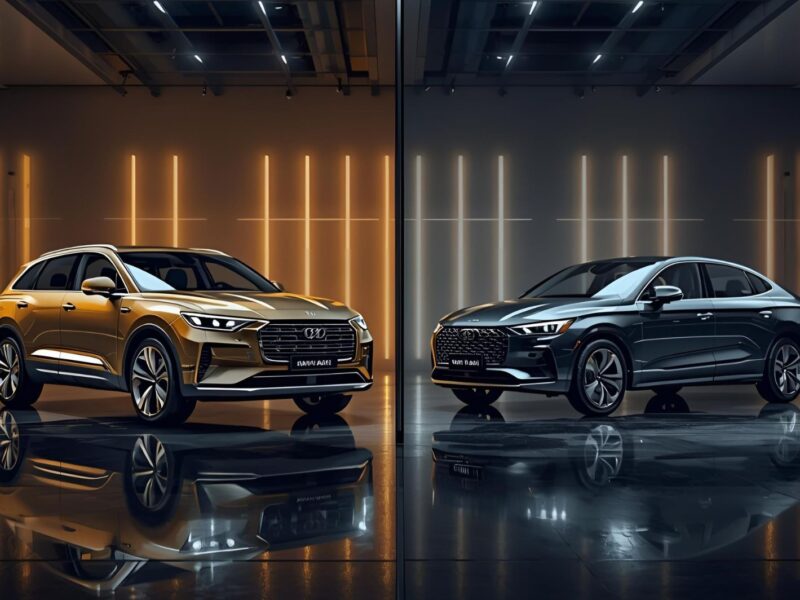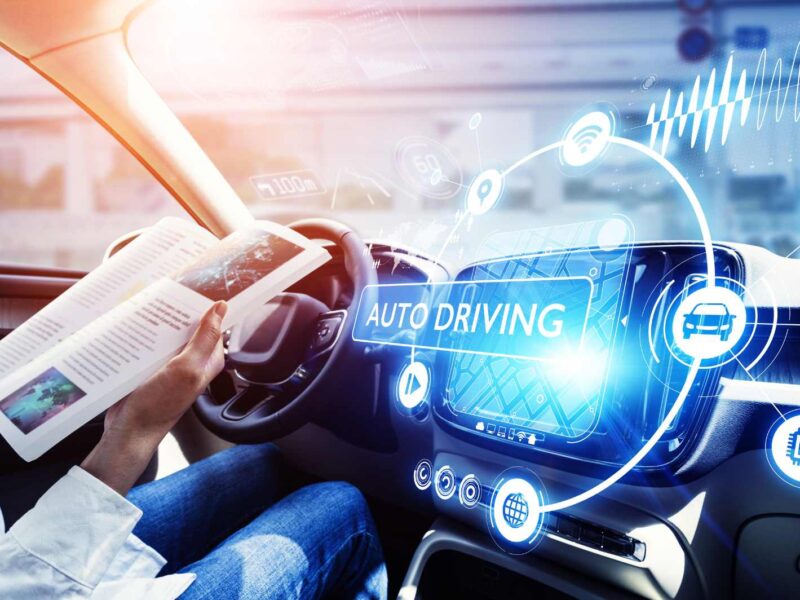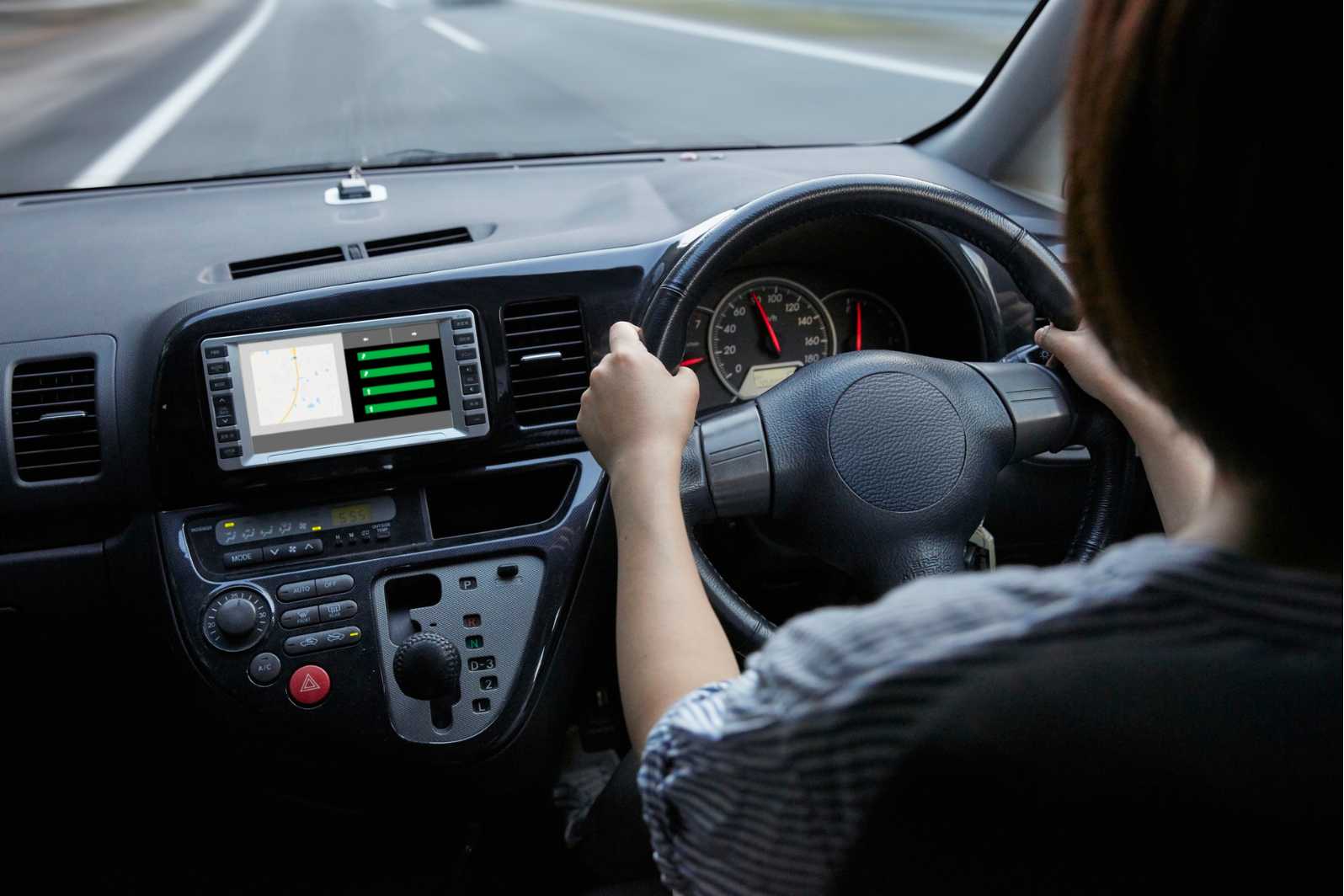
Technology is revolutionizing the way we drive. Cars are no longer simply machines that get us from here to there. AI is infiltrating car industry, cars are getting smarter, safer and more efficient. Driver-assist technologies that only recently seemed like futuristic aids are already part of our everyday driving experience. AI is the underpinning of this transformation, from automatic braking to smart navigation.
Smarter Safety Systems
When it comes to driving, safety is the priority. Artificial intelligence-enabled systems can now forecast likely accidents before they occur. Features such as forward collision warning and automatic emergency braking deploy artificial intelligence to detect road conditions and vehicle operation in real-time. That allows the car to respond faster than a human behind the wheel and reduce accidents. Also available is lane-keeping assist, which gently nudges drivers to stay in their own lanes if it detects that a nudge is necessary.
Adaptive Cruise Control
Cruise control is no new invention, but AI has brought it to the next level. “My sense is that adaptive cruise control’s purpose is not to hold a certain speed but rather alleviate the driver of setting or adjusting the desired speed.” Cameras and sensors in the car track the distance to vehicle ahead and automatically slow down or speed up. It makes highways less stressful and more relaxing to drive on.
AI-Powered Parking Assistance
Finding a parking space in urban centers is such a nightmare. It becomes significantly easier with AI-powered parking aid. Cameras and ultrasonic sensors can now allow cars to park themselves with barely a nudge from the driver. Some higher-end systems can even find an empty parking spot and steer the car into it, which saves time and effort.
Driver Monitoring Systems
AI isn’t exclusively keeping its eyes on the road, it’s focused on the driver too. Some of the latest cars include driver monitoring systems, which deploy AI to detect fatigue, distraction or drowsiness. If the system detects that its driver is not paying attention, it sends an alert or even slows down to prevent accidents. It keeps the person in the driver’s seat awake and on guard.
Voice and Gesture Controls
Car interaction has also been made easier through AI. These are controlled not by poking buttons or twisting knobs, but instead through voice commands and even hand gestures. This eliminates distractions, so the driver can concentrate on the road. The car is capable to do that, for example you can command the car to play your favorite songs, call someone or change temperature etc., all using AI based voice assistants.
Predictive Navigation
Navigation is about more than just showing direction anymore. AI-enhanced navigation systems can learn from traffic conditions, weather — even your own driving patterns. They can recommend the quickest or safest routes while someone is on the move. Some even anticipate road hazards and recommend alternative routes before you run into delays.
Towards Autonomous Driving
All of these capabilities are building blocks of autonomous driving. Autonomous cars are still in their early days, but AI-powered driver assistance is here and it’s your future on the line. Each new software update draws us closer to a tomorrow when cars can do most of the driving themselves and minimize travel risk and inefficiency.
FAQs:
What exactly is ‘AI’ in driver aid Sensible capabilities?
AI in driver assistance is a catchall for the use of artificial intelligence to assist drivers with braking, parking, lane-keeping and navigation.
How will AI lead to safer roads?
AI enhances security by processing feedback from sensors and cameras instantaneously, reacting much quicker than humans to avoid mishaps.
Will AI ever replace human drivers entirely?
Not yet. Though AI can help with many things, completely self-driving cars are still being tested and developed.
Is AI-based parking assistance reliable?
Yes, most are very reliable, but drivers should still be attentive when using them.
What is the future of AI in automobiles?
The future belongs to fully autonomous vehicles driven by artificial intelligence and riding without any human hand on the wheel, but you might have to wait a few more years at least.