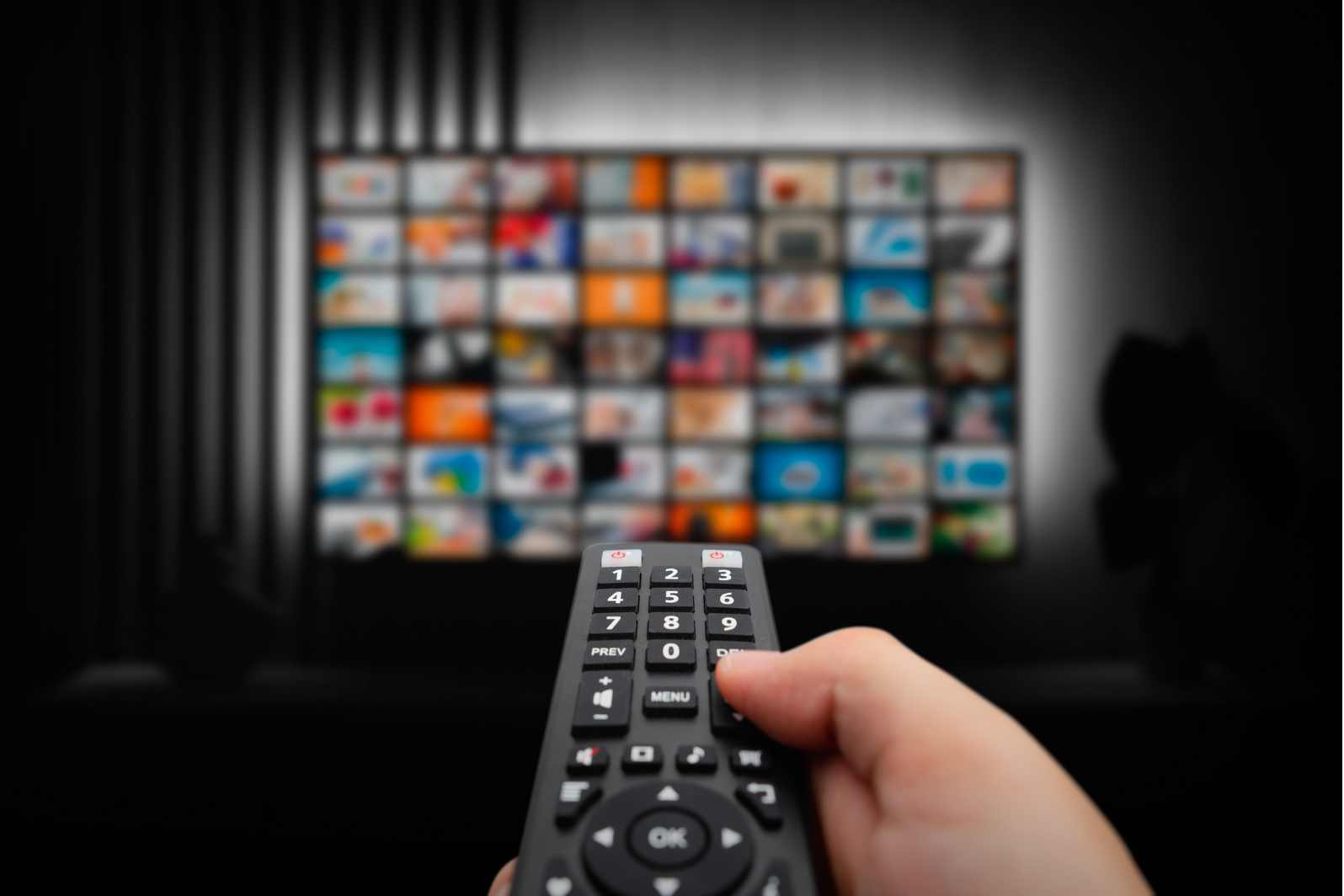
The way we enjoy movies and shows has changed dramatically in the past decade. Previously, one waited for the release of new films or watched TV serials at a certain time. But all that has changed with the advent of streaming platforms like Netflix, Amazon Prime Video, Disney+ Hotstar and JioCinema. Today these apps are landing new releases directly, which is reshaping how people spend their time and money on entertainment.
From Theatres to Living Rooms
Previously, theatre used to be a huge event when film releases were announced. They were the subject of family and friends’ outings. “Now it’s the case that a lot of series and movies go straight to streaming services. The magic of these can be experienced at the leisure of one’s home, away from the frenzy of cinema halls. Entertainment is now more customized, and fluid.
Binge-Watching as a New Habit
Streaming among the biggest change streaming has wrought is binge watching. Once upon a time, folks had to wait a week for the next TV episode. Now, seasons fall all at once. Many people binge their way through an entire series in just a few days. It is an entirely different kind of television viewing, one in which people now plan their weekends out to finish a show.
Impact on Movie Releases
Release of big-budget films on OTT has led to dampening the footfalls in theatres especially for small & medium films. Plenty of people, it turns out, would still rather watch midlevel films in the comfort of their living rooms. These changes have made filmmakers reconsider the way in which they distribute their work.
Global Content at Your Fingertips
Streaming has allowed people to watch anything, from anywhere. K-Dramas, Spanish thrillers and Turkish romcoms are finding an audience here in India. This ability to consume world entertainment has altered taste patterns and fostered appetite for sub-titles and dubbing.
Changing Family Viewing Patterns
It used to be that families would watch TV together at the same time. And now in the house everyone has their screen and their choice. One teenager may be watching anime, while parents watch a crime drama. This has diminished joint viewing but expanded personal choice.
The Subscription Race
With so many streaming services battling for viewers’ wallets, audiences are getting choosy. Some people subscribe; some unsubscribe around what fresh releases can be found. For instance, many sign up just for a month so they can binge on a series that’s trending and then cancel. This “subscription hopping” is increasingly typical.
The Rise of Original Content
It’s not just about whose library has more films. Original web series and movies are big investments for platforms. These originals are not just designed to keep you engaged. In India, original content such as Sacred Games and Mirzapur have developed a loyal fan base.
Data-Driven Storytelling
Unlike traditional cinema, streaming services base their decisions on what content “plays” on the data of who is watching it. They see what people watch, skip and rewatch. This enables them to generate shows that have the potential to resonate more with viewers. The result is that stories are now more varied and experimental.
The Future of Viewer Habits
Viewer habits will continue to change as AI recommendations, personalized content and interactive shows proliferate. The distinction between cinema and home viewing is already thin. One day all movies and games could come out on the same streaming platform at the same time, adding to both forms of entertainment.
FAQs:
Q1. Why are people watching more on streaming, less in cinemas?
Because streaming is cheaper, more flexible, and you can watch whatever whenever you want.
Q2. How has binge-watching changed habits?
It has also caused people to complete shows faster, and to simply spend more hours watching.
Q3. Will theatres disappear completely?
No Big films and event movies will still attract large footfalls to the cinema, but smaller ones might opt for an OTT release.
Q4. What are the most popular streaming services in India?
In India, Meanwhile, it is a fight between Netflix, Amazon Prime Video, Disney+ Hotstar, SonyLIV and JioCinema.
Q5. Do streaming services shape the content we receive?
Yes. Because platforms know what viewers want, they produce more diverse and experimental stories.